




Categories
Itchy Down There? Understanding and Treating Vaginal Itching
Jul 10, 2024
- Yeast Infection: This is a common culprit, characterized by thick, white, clumpy discharge along with itching and burning. It can be triggered by hormonal changes, antibiotics, or tight-fitting clothing.
- Bacterial Vaginosis (BV): This is an imbalance of natural vaginal bacteria, leading to itching, burning, and a fishy odor.
- Skin Irritation: Sensitive skin can react to soaps, detergents, fragrances in feminine hygiene products, laundry detergents, or even harsh toilet paper.
- Dryness: Decreased estrogen levels due to menopause, breastfeeding, or certain medications can cause vaginal dryness and irritation.
- Skin Conditions: Eczema, psoriasis, and lichen sclerosis can affect the vulva (the external area) and cause itching, redness, and discomfort.
- Sexually Transmitted Infections (STIs): Certain STIs, like chlamydia or trichomoniasis, can cause itching along with other symptoms like unusual discharge, burning during urination, or pelvic pain.
Important to Note:
- The type of discharge can be a clue to the cause. For example, a yeast infection typically has a thick, white discharge, while BV might have a thin, gray discharge with a fishy odor.
- Itching is often accompanied by other symptoms, such as burning, redness, or pain. Pay attention to all symptoms for a better understanding of the cause.
When to See Your Doctor:
If your vaginal itching is severe, persistent (lasting more than 3 days), or accompanied by other concerning symptoms like pain, burning during urination, or unusual discharge, consult your doctor for a proper diagnosis and treatment plan.Finding Relief:
Here are some tips to soothe vaginal itching and prevent future occurrences:- Maintain Good Hygiene: Wash the vulva daily with warm water. Pat the area dry instead of rubbing.
- Wear Cotton Underwear: Cotton is breathable and allows for better airflow. Avoid tight- fitting clothing or synthetic materials.
- Avoid Irritants: Skip douches, scented products, and harsh soaps.
- Practice Safe Sex: Use condoms to prevent STIs.
- Apply a Cold Compress: This can help reduce swelling and itching.
- Consider Probiotics: Probiotics can help restore the natural balance of vaginal bacteria.
- Avoid Caffeine and Alcohol Intake: Alcohol or caffeine intake can potentially aggravate vaginal itching due to their dehydrating effects. Dryness in the vulva and vagina can exacerbate itching and irritation.
- Drink Plenty of Water: Staying hydrated helps maintain healthy vaginal tissues.
Related BlogView More

10 Safe Tips & Best Foods to Increase Breast Milk Supply Naturally
Wondering whether your baby is getting enough breast milk is common, especially in the first few weeks after birth when feeding patterns are still settling. Milk supply can naturally vary, and in many cases, small changes in feeding technique, frequency, rest, hydration and nutri
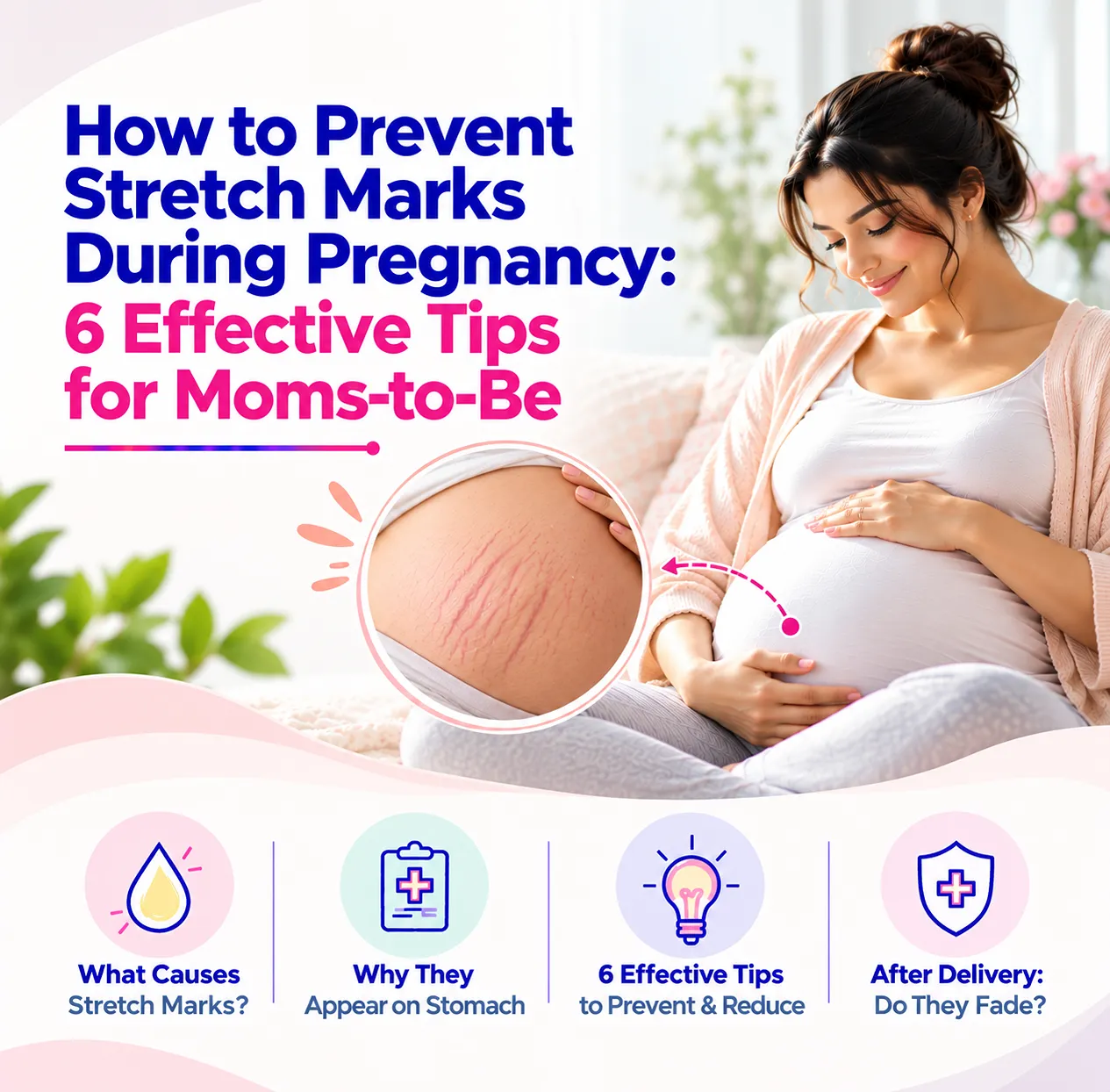
How to Prevent Stretch Marks During Pregnancy: 6 Effective Tips for Moms-to-Be
As your baby grows within the womb, your body changes in remarkable ways, and your skin stretches along with it. Stretch marks are common during pregnancy, especially around the abdomen, breasts, hips, and thighs. While you can't always prevent them completely, simple steps can s

Coconut Water During Pregnancy: Benefits, Myths & Facts
Coconut water is a popular choice during pregnancy because it is light, refreshing, and naturally contains fluids and electrolytes. For most pregnant women, it can be enjoyed safely as part of a balanced diet, especially as an alternative to sugary drinks. At the same time
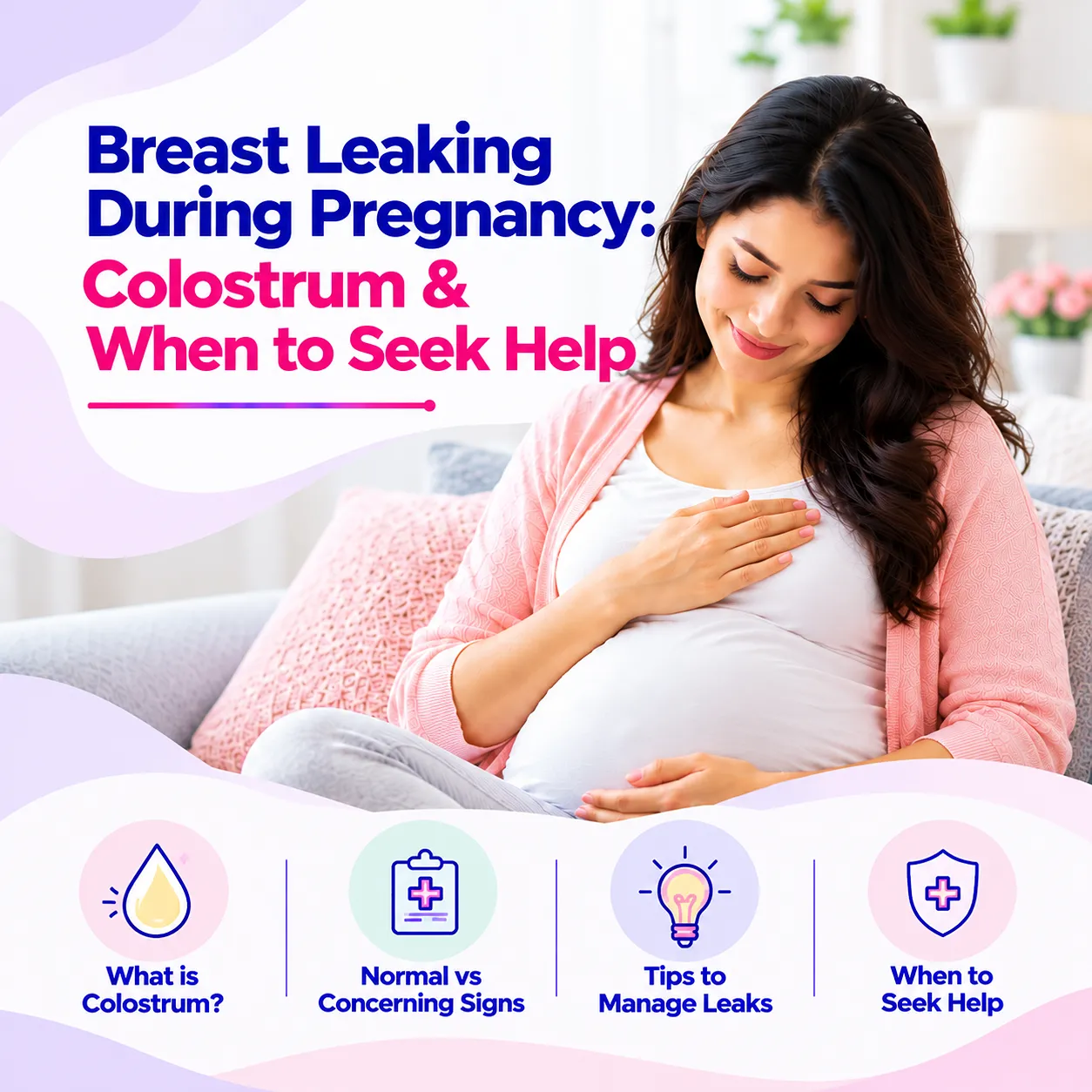
Breast Leaking During Pregnancy: Colostrum & When to Seek Help
Noticing a few drops of fluid from your breasts during pregnancy can be unexpected, especially if it happens before you have started thinking about breastfeeding. In many cases, this is simply colostrum, the nutrient-rich first milk your breasts begin preparing before your bab